Technology has become an essential part of everyday life, influencing how we communicate, work, learn, shop, and entertain ourselves. For beginners, however, the fast pace of technological change can feel overwhelming. New devices, software, cloud services, artificial intelligence, cybersecurity, and digital tools appear almost daily, making it difficult to know where to begin. Fortunately, understanding technology does not require advanced technical knowledge—it starts with learning the fundamentals one step at a time.
A strong foundation in basic technology helps individuals make informed decisions, improve productivity, and confidently explore new digital tools. Whether you’re a student, professional, entrepreneur, or someone simply interested in learning, reliable educational resources make the journey much easier. Readers looking for beginner-friendly technology articles, practical guides, and digital insights can visit techager.com. to discover informative content covering a wide range of technology topics.
Why Technology Literacy Matters
Digital literacy has become a valuable life skill. From online banking and remote work to virtual education and digital communication, technology affects nearly every aspect of modern society.
Understanding basic technology allows people to:
- Communicate more effectively
- Improve workplace productivity
- Access educational resources
- Protect personal information online
- Solve common technical problems
- Adapt to changing workplace requirements
Even basic knowledge can make everyday digital tasks simpler and more efficient.
Understanding Computer Basics
Before exploring advanced technologies, beginners should become familiar with the essential components of a computer.
These include:
- Central Processing Unit (CPU)
- Memory (RAM)
- Storage devices (SSD or HDD)
- Motherboard
- Graphics processing unit (GPU)
- Operating system
- Input and output devices
Understanding these components helps users make better purchasing decisions and troubleshoot common issues more effectively.
Learn About Operating Systems
An operating system manages a computer’s hardware and software resources.
The most commonly used operating systems include:
- Microsoft Windows
- macOS
- Linux
- Android
- iOS
Each platform offers unique features, but they all perform similar core functions such as running applications, managing files, and connecting hardware devices.
Internet Skills Every Beginner Should Know
The internet provides access to unlimited information, communication, and online services.
Essential internet skills include:
- Safe web browsing
- Effective search techniques
- Email management
- Cloud storage usage
- Video conferencing
- Online collaboration
- Password management
Learning these skills improves both personal and professional productivity.
Cybersecurity Fundamentals
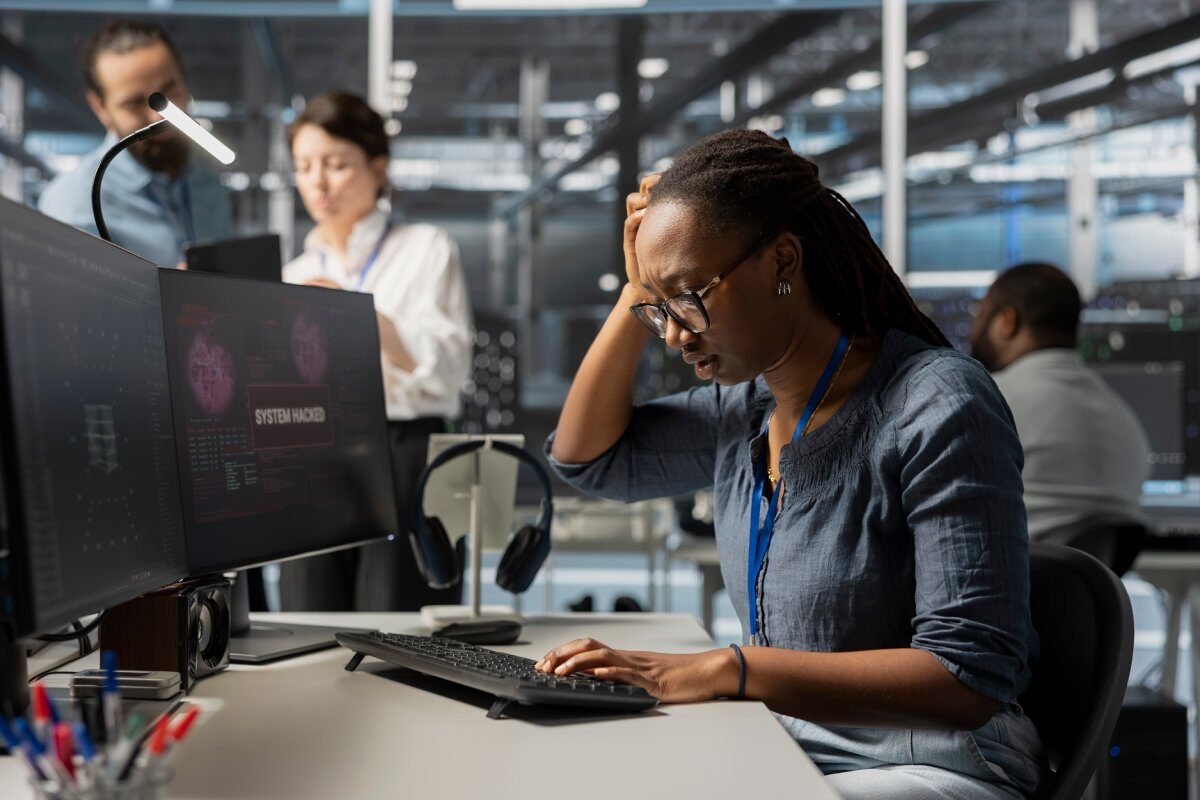
Online safety should be a priority for every internet user.
Simple cybersecurity practices include:
- Creating strong passwords
- Enabling two-factor authentication
- Updating software regularly
- Avoiding suspicious email links
- Downloading software only from trusted sources
- Backing up important files
Developing good security habits helps protect personal information from cyber threats.
Understanding Cloud Computing
Cloud computing allows users to store files and access applications through the internet instead of relying only on local devices.
Popular cloud services provide:
- File storage
- Document sharing
- Data backup
- Team collaboration
- Remote access
Cloud technology has become an important part of both personal computing and business operations.
Artificial Intelligence for Beginners
Artificial intelligence (AI) is rapidly changing industries around the world.
AI powers many familiar technologies, including:
- Voice assistants
- Recommendation systems
- Language translation
- Image recognition
- Customer support chatbots
- Smart search engines
Understanding AI basics helps users recognize how these technologies influence everyday digital experiences.
Continue Learning Through Practice
Technology evolves continuously, making lifelong learning essential.
Beginners can improve their skills by:
- Reading technology articles
- Watching educational videos
- Taking online courses
- Practicing with software
- Joining technology communities
- Exploring new digital tools
Consistent learning builds confidence while preparing users for future technological developments.
Following Trusted Technology Standards
Reliable information is essential when learning technology. Recognized organizations publish standards and best practices that help developers, businesses, and everyday users understand how modern technologies work.
For internationally recognized guidance on internet technologies, web standards, and digital best practices, readers can visit the World Wide Web Consortium (W3C), which develops many of the standards that support today’s web.
Conclusion
Learning technology is an ongoing journey rather than a single destination. By understanding computer fundamentals, improving internet skills, practicing good cybersecurity habits, exploring cloud computing, and staying informed about emerging technologies, beginners can build confidence in today’s digital world. As technology continues to evolve, maintaining curiosity and a willingness to learn will remain the most valuable tools for long-term success.