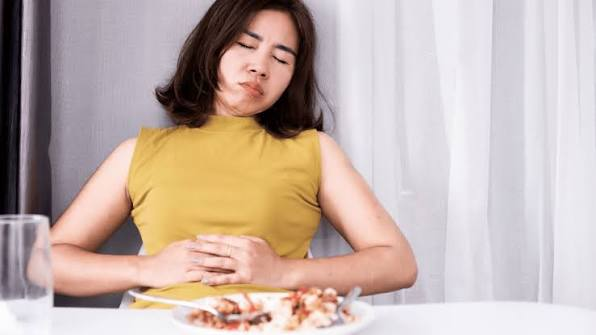
Have you ever finished a meal and noticed that your stomach suddenly looks or feels larger than it did before eating? This uncomfortable feeling is often described as bloating or abdominal swelling. It can happen occasionally after a large meal, but frequent swelling may leave you wondering why it happens and whether something in your diet or digestion is responsible.
For many people, post-meal stomach swelling is connected to gas, eating habits, food sensitivities, or the normal process of digestion. However, persistent bloating can sometimes be associated with an underlying digestive condition. Understanding the possible causes can help you identify patterns and decide when it may be appropriate to seek professional advice.
If you regularly experience bloating, abdominal fullness, or digestive discomfort after eating, DigestivEaz.Com can be a useful place to explore more information about digestive health and common stomach-related concerns.
What Does Stomach Swelling After Eating Mean?
Stomach swelling after meals is commonly referred to as bloating. It may feel like pressure, fullness, tightness, or an increase in the size of the abdomen. Some people experience mild discomfort, while others may feel unusually full even after eating a relatively small amount.
Bloating and abdominal distention are related but are not exactly the same. Bloating describes the sensation of fullness or swelling, while distention refers to a noticeable increase in the size of the abdomen. Some people experience the sensation without significant visible enlargement.
Occasional bloating is usually not unusual. Eating causes the digestive system to become active, and food, liquid, and digestive gases naturally move through the gastrointestinal tract. The problem is more concerning when swelling occurs frequently, becomes severe, or is accompanied by other symptoms.
Eating Too Quickly Can Cause More Bloating
One simple reason your stomach may swell after eating is the way you eat. Eating quickly can cause you to swallow more air, which can contribute to gas and abdominal discomfort.
Talking while eating, drinking through a straw, chewing gum, and consuming fizzy drinks can also increase the amount of air entering the digestive tract. When this happens repeatedly, you may notice more burping, gas, or bloating after meals.
Slowing down during meals may help. Try taking smaller bites, chewing thoroughly, and giving yourself enough time to finish your food without rushing. Sitting down while eating can also encourage more mindful eating.
Large Meals May Make Your Stomach Feel Uncomfortably Full
The amount of food you eat can also affect how your abdomen feels afterward. A very large meal naturally places more food inside the digestive system at one time, which can create a temporary feeling of fullness or pressure.
Meals that are particularly high in fat may also make some people feel more bloated. Fat can affect digestive processes and may contribute to a sensation of fullness in sensitive individuals.
Instead of eating one extremely large meal, some people find it more comfortable to eat moderate portions throughout the day. This does not mean everyone needs to follow a specific meal schedule, but paying attention to portion size can help reveal whether large meals are contributing to your symptoms.
Certain Foods Can Trigger Gas and Bloating
Food is another common factor behind stomach swelling after meals. Different people respond differently to specific foods, so a meal that causes bloating for one person may not cause any problems for another.
Some carbohydrates are not completely digested in the stomach and small intestine. When they reach the large intestine, bacteria break them down and produce gas. This can contribute to bloating and abdominal discomfort.
Foods that may cause more gas in some people include beans, lentils, certain vegetables, some fruits, dairy products, whole grains, and products containing certain sugar alcohols. Carbonated beverages can also contribute to bloating.
The NIDDK’s information on gas in the digestive tract explains that gas can normally enter the digestive tract through swallowed air and through bacterial breakdown of undigested carbohydrates.
Food Intolerances May Be Part of the Problem
If stomach swelling happens repeatedly after particular foods, a food intolerance may be worth considering. Lactose intolerance is one example. People with lactose intolerance have difficulty digesting lactose, the sugar naturally found in milk and some dairy products.
Fructose-related digestive problems can also cause symptoms in some people. Depending on the individual, symptoms may include bloating, abdominal discomfort, gas, or diarrhea.
It is important not to assume that every episode of bloating is caused by a food intolerance. Keeping track of meals and symptoms can help identify whether there is a consistent relationship between a particular food and digestive discomfort.
Constipation Can Make the Abdomen Feel Swollen
Constipation is another possible reason for post-meal abdominal swelling. When bowel movements are infrequent or difficult, stool can remain in the digestive tract for longer than usual. This may contribute to feelings of fullness, pressure, and bloating.
Some people may notice that their abdomen feels particularly uncomfortable after eating when they are already constipated. Increasing physical activity, drinking enough fluids, and consuming an appropriate amount of dietary fiber may support regular bowel movements, although individual needs vary.
If constipation is persistent or accompanied by significant pain, unexplained weight loss, blood in the stool, or other concerning symptoms, professional medical advice is appropriate.
Digestive Conditions Can Also Cause Bloating
Frequent stomach swelling should not always be blamed on eating too much or eating the wrong foods. Several digestive conditions can cause bloating or make a person more sensitive to normal amounts of gas.
Irritable bowel syndrome (IBS), functional dyspepsia, constipation, lactose intolerance, and other gastrointestinal conditions can be associated with bloating. In some cases, bacterial changes in the small intestine or other digestive problems may also contribute.
For this reason, recurring symptoms deserve attention, especially when they interfere with everyday activities or continue despite changes in eating habits.
How Can You Reduce Stomach Swelling After Meals?
The best approach depends on the underlying cause, but several simple habits may help reduce occasional bloating:
- Eat meals slowly rather than rushing.
- Avoid swallowing excessive air while eating.
- Limit fizzy drinks if they trigger symptoms.
- Pay attention to portion sizes.
- Keep a food and symptom diary.
- Notice whether particular foods repeatedly cause discomfort.
- Stay physically active.
- Maintain regular bowel habits.
- Avoid making major restrictive diet changes without a clear reason.
A food diary can be particularly useful. Write down what you ate, approximately how much you ate, when symptoms appeared, and whether you experienced gas, constipation, diarrhea, or abdominal pain. Over time, patterns may become easier to recognize.
When Should You Talk to a Doctor?
Occasional bloating after a large meal is generally different from persistent or severe abdominal swelling. You should consider speaking with a healthcare professional if your symptoms happen regularly, suddenly change, become increasingly uncomfortable, or affect your normal activities.
Medical attention is especially important when bloating occurs alongside symptoms such as unexplained weight loss, persistent vomiting, significant abdominal pain, diarrhea or constipation that does not improve, blood in the stool, difficulty swallowing, or other unusual changes.
A healthcare professional can review your symptoms, eating habits, medications, and medical history. Depending on the situation, they may recommend further evaluation to determine whether an underlying digestive condition is contributing to the problem.
Final Thoughts
So, why does your stomach swell after meals? The answer can be surprisingly simple in some cases. Eating large portions, eating quickly, swallowing air, consuming certain foods, or experiencing constipation can all contribute to temporary bloating.
However, recurring stomach swelling can have many possible causes, including food intolerances and digestive conditions. Rather than eliminating large numbers of foods without guidance, it is usually more useful to observe your symptoms, identify patterns, and discuss persistent problems with a qualified healthcare professional.
Understanding how your body responds to different meals can be an important first step toward better digestive comfort. If post-meal bloating keeps happening, paying attention to when it occurs and what accompanies it can provide useful information for finding the right solution.